
The intersection of Artificial Intelligence and Machine Learning with material testing is revolutionizing the way we understand and analyze materials universal tensile testing machine. These advanced technologies offer a glimpse into a future where testing processes are not only faster and more precise but also capable of unlocking insights that were previously unattainable. The potential for AI and ML to transform material testing practices is vast, with implications ranging from optimizing manufacturing processes to developing cutting-edge materials with unparalleled properties. As we delve deeper into this realm, the possibilities for innovation and discovery appear boundless, promising a new era in materials science.
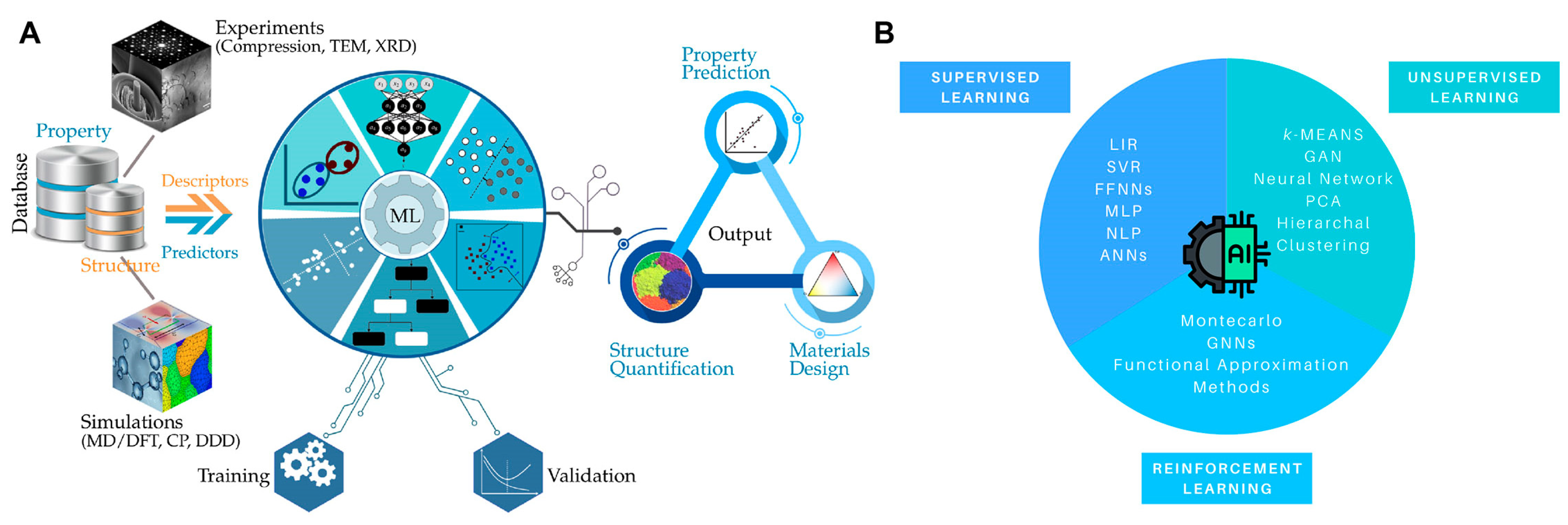
Evolution of Material Testing Techniques
The evolution of material testing techniques has been marked by significant advancements in precision, efficiency, and reliability dynamic universal testing machine. Traditional methods, such as tensile testing and hardness testing, have given way to more sophisticated approaches that leverage cutting-edge technology.
Non-destructive testing methods, like ultrasonic testing and magnetic particle inspection, have become increasingly prevalent due to their ability to assess material properties without compromising the integrity of the specimen.
Furthermore, the integration of automation and robotics has revolutionized material testing processes, allowing for higher throughput and more consistent results. Automated systems can perform repetitive tasks with unparalleled accuracy, reducing human error and increasing overall efficiency in testing procedures.
Advancements in sensor technology have also played a crucial role in enhancing material testing techniques. Sensors with higher sensitivity and resolution can now detect minuscule changes in material properties, providing researchers and engineers with valuable insights into the behavior of different materials under various conditions.
Benefits of AI and ML Integration
With the integration of AI and ML, material testing processes have been enhanced to achieve unprecedented levels of accuracy and efficiency. AI algorithms can quickly analyze vast amounts of data to identify patterns and anomalies that may not be apparent to human testers. Machine learning models can adapt and improve over time, refining testing procedures to deliver more reliable results.
One significant benefit of AI and ML integration is the ability to automate repetitive tasks, saving time and reducing human error in material testing processes. This automation allows researchers and engineers to focus on more complex and critical aspects of their work, ultimately leading to faster innovation and development cycles. Additionally, AI can optimize testing parameters based on real-time feedback, leading to more precise testing conditions and results.
Enhanced Data Analysis Capabilities
Integration of AI and ML has revolutionized material testing processes by significantly enhancing data analysis capabilities, allowing for in-depth examination of intricate patterns and anomalies. These technologies empower researchers to process vast amounts of data quickly and accurately, extracting valuable insights that were previously challenging to uncover using traditional methods.
One key benefit is the ability to identify subtle correlations between various material properties and performance metrics. AI algorithms can detect complex relationships within datasets, revealing hidden trends that may influence material behavior. Moreover, machine learning techniques enable the detection of outliers and anomalies, flagging data points that deviate significantly from expected norms.
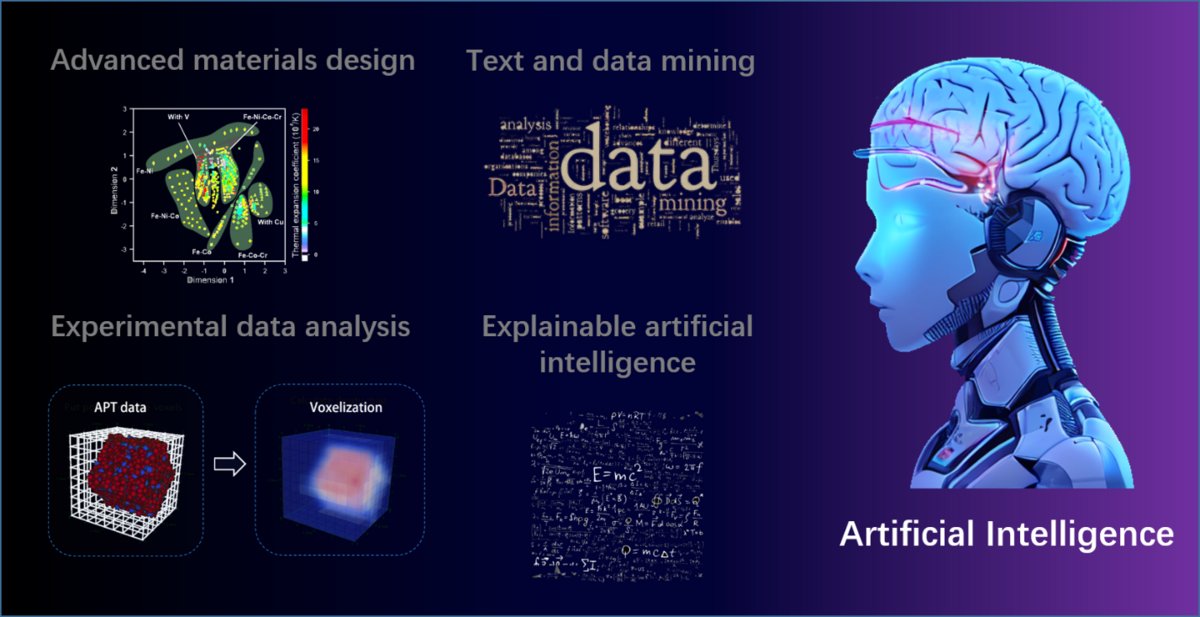
Predictive Modeling in Material Testing
Utilizing advanced algorithms and statistical techniques, predictive modeling plays a pivotal role in material testing by forecasting material behavior and performance under varying conditions. By analyzing historical data and identifying patterns, predictive models can provide valuable insights into how materials will behave in different scenarios. These models consider factors such as stress, temperature, and environmental conditions to predict material properties like strength, durability, and fatigue resistance.
Predictive modeling allows researchers and engineers to optimize material selection, design components more effectively, and predict potential failure points before they occur. This proactive approach helps in improving product performance, reducing costs, and enhancing overall safety. Additionally, predictive models can simulate complex interactions between materials and external factors, aiding in the development of new materials with tailored properties for specific applications.
Future Trends and Applications
The evolution of AI and machine learning technologies is poised to revolutionize the field of material testing, driving advancements in efficiency and accuracy in predicting material behaviors and properties. One future trend is the development of autonomous material testing systems that can continuously monitor and analyze materials in real-time, providing instant feedback on structural integrity and performance. This real-time monitoring capability will enable proactive maintenance and predictive maintenance strategies, ultimately leading to cost savings and increased operational efficiency.
Another significant application on the horizon is the utilization of AI and machine learning for accelerated material discovery and design. By leveraging vast databases and advanced algorithms, researchers can expedite the process of identifying new materials with specific properties for various industrial applications. This approach holds promise for enhancing material performance, reducing development timelines, and promoting innovation in sectors such as aerospace, automotive, and renewable energy.
Conclusion
In conclusion, the integration of artificial intelligence and machine learning in material testing has revolutionized the field by enhancing data analysis capabilities. This integration enables predictive modeling and shapes future trends and applications. These technologies have significantly improved testing processes, allowing researchers to make data-driven decisions and optimize product performance.
The evolution of material testing techniques through AI and ML integration marks a transformative shift towards more accurate and efficient testing practices.